
India’s electric mobility transition is steadily entering a more execution-oriented phase, where the focus is no longer limited to EV adoption targets and policy incentives, but increasingly centred on the infrastructure systems required to support large-scale electric mobility across cities and highways.
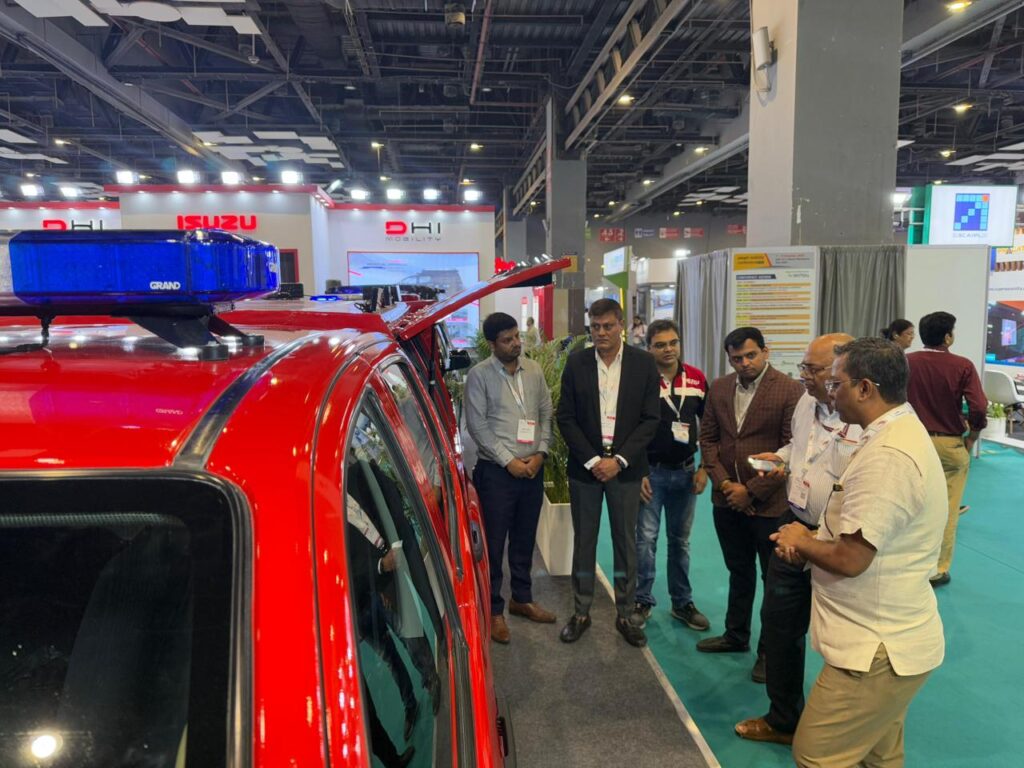
This transition became visible during the National Conference on “Enabling Nationwide EV Charging Infrastructure under PM E-DRIVE Scheme”, organized by the Ministry of Heavy Industries in Bengaluru, where discussions focused on how states, utilities, infrastructure agencies and private operators can work together to create implementation-ready EV ecosystems.
The conference created a wider national momentum around EV charging deployment under the PM E-DRIVE framework. At the same time, Karnataka emerged among the states moving quickly towards a mission-mode approach by linking EV infrastructure planning with land access, upstream power readiness, highway integration and long-term infrastructure financing.
The state received approval for 1,243 EV chargers under the PM E-DRIVE scheme with an outlay of ₹123.26 crore announced by Shri. H. D. Kumaraswamy, Minister of Heavy Industries and Public Enterprises of India. However, the broader significance of the discussions in Bengaluru extended beyond charger allocation itself. The conversation increasingly revolved around how EV infrastructure can become operationally viable, scalable and commercially sustainable over the long term.

The Shift Towards Integrated EV Planning
A recurring understanding during the conference was that EV charging infrastructure can no longer be approached as a standalone installation exercise. Instead, deployment now depends on simultaneous coordination between land-owning agencies, utilities, highway authorities, financing institutions and charging operators.
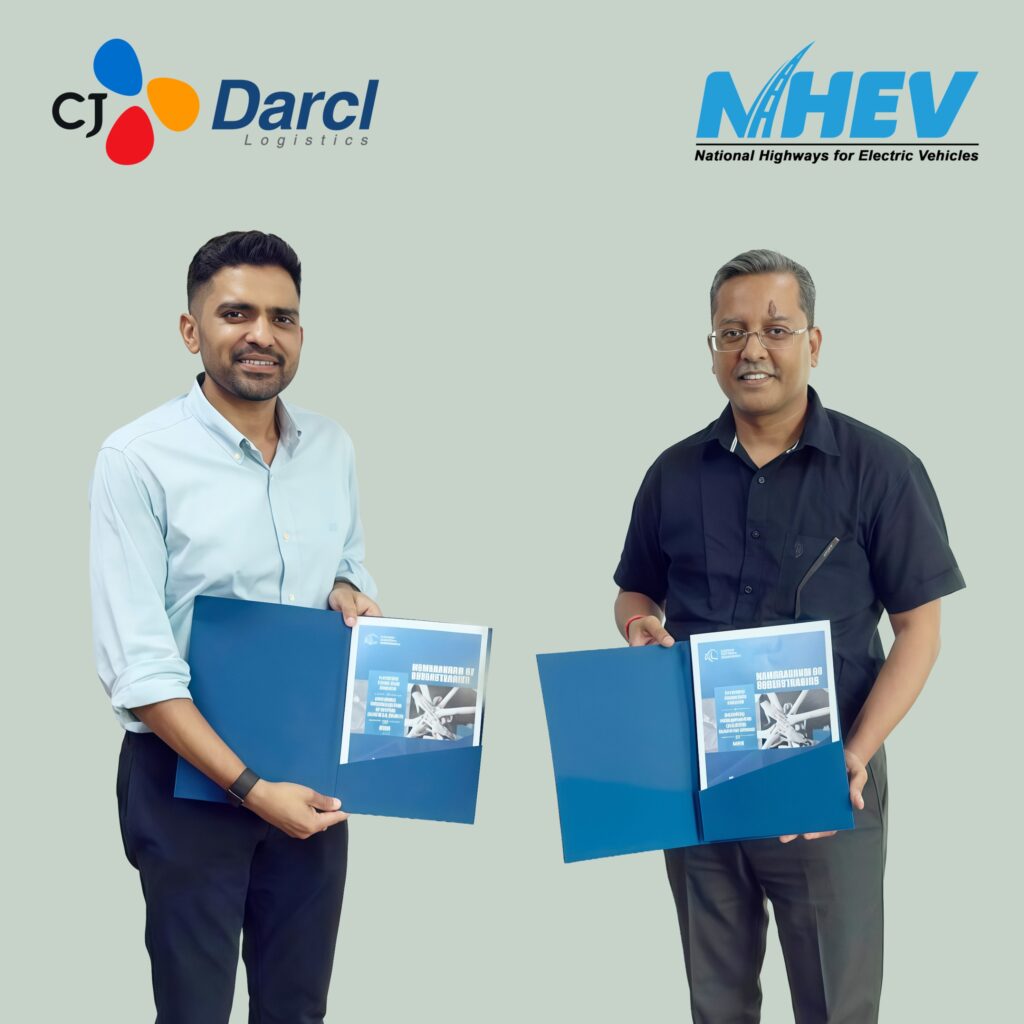
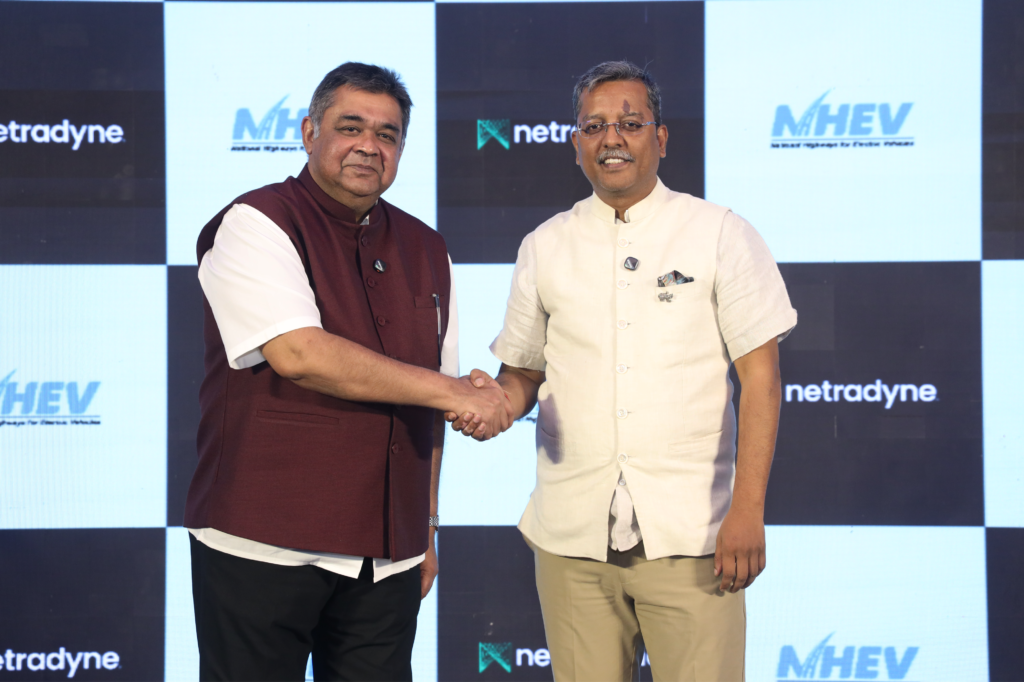
It was within this context that Bengaluru Electricity Supply Company (BESCOM) and National Highways for EV (NHEV) announced the country’s first state-level Pre-EOI stakeholder consultation, scheduled for 10 June 2026 in Bengaluru.
The consultation, being organized jointly with NHEV and BESCOM along with key facilitator invited like National Highways Authority of India (NHAI), National Highways Logistics Management Limited (NHLML) and with support from Charge Point Operators Society of India, is expected to focus on creating a more structured ecosystem for EV infrastructure deployment across Karnataka.
Land, Power and Highway Coordination Begins Taking Shape
One of the major themes emerging from the conference was the need to integrate land infrastructure with EV corridor planning. Discussions highlighted that fragmented coordination around land access and electricity connectivity has often slowed charging infrastructure deployment across states.
Karnataka’s evolving framework attempts to address this by integrating land parcels identified through BESCOM’s land portal alongside highway-linked land mapping being developed through NHEV in coordination with NHAI and NHLML using GIS-based corridor planning.
These parallel land pipelines are expected to support future EoI, tender and RFP processes for Charge Point Operators and EV infrastructure developers.
The upcoming Bengaluru consultation is expected to focus on implementation areas including land parcels through BESCOM’s land portal, time-bound upstream transmission readiness, uptime and utilization planning under NHEV corridors, and EV infrastructure financing through ZET-linked climate financing instruments.
From Charging Points to E-Highway Corridors
The discussions also reflected a broader shift from isolated charging stations towards corridor-based EV infrastructure linked with logistics movement, highway mobility and future commercial transportation requirements.
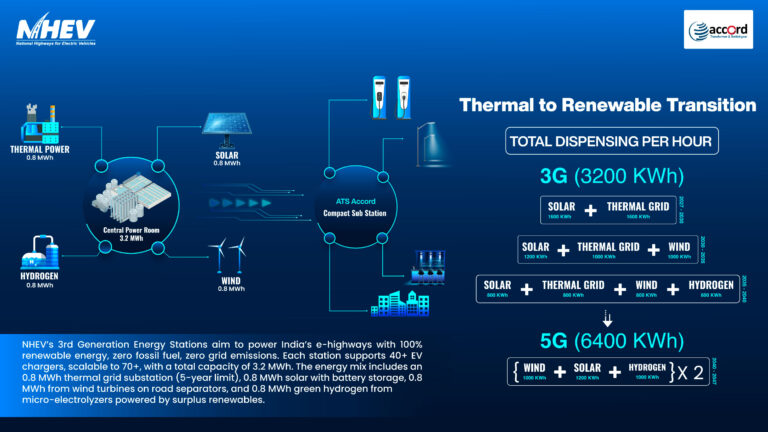
Under the NHEV framework discussed during the conference, Karnataka has identified nearly 1,786 kilometers of E-Highway routes within its broader 8,190-kilometre highway network. Current planning discussions include nearly 35 to 40 NHEV 3G Energy Stations and more than 40 toll-linked EV infrastructure locations intended to support both passenger mobility and future commercial EV movement.
The proposed hubs are expected to operate across land parcels ranging from 1.5 to 10 acres with planned capacities of up to 3,200 KWh per station, indicating a gradual transition towards high-capacity charging infrastructure capable of supporting long-distance and heavy-duty electric mobility.

Expanding Role of Utilities and Infrastructure Stakeholders
Within this evolving framework, BESCOM’s role is also expanding beyond conventional electricity distribution. Discussions positioned the utility as a key enabling agency responsible for upstream transmission coordination, electricity connectivity and integration of power infrastructure with EV deployment plans.
Similarly, Charge Point Operators are increasingly viewed as long-term infrastructure stakeholders dependent on synchronized land access, transmission readiness and utilization planning to ensure commercially sustainable deployment models.
The discussions also highlighted the role of NHEV as a corridor-enablement platform supporting interoperability, infrastructure coordination and highway-linked EV ecosystem development.
Climate Financing and the Next Phase of EV Expansion
Climate financing emerged as another major theme throughout the conference, particularly around financing mechanisms required for large-scale EV infrastructure assets. Discussions linked EV deployment with broader national priorities including reduction in oil imports, cleaner mobility systems and India’s Net Zero 2070 commitments.
The PM E-DRIVE program currently includes a total approved outlay of ₹10,900 crore for EV ecosystem development, including ₹2,000 crore earmarked specifically for public charging infrastructure.
As states gradually move from policy announcements towards implementation frameworks, Karnataka’s evolving approach reflects how the next phase of EV infrastructure deployment may increasingly depend on coordinated planning between utilities, highway authorities, financing institutions and private ecosystem participants.

On this, Abhijeet Sinha, National Program Director, Ease of Doing Business said, “The BESCOM-led consultation framework is expected to create a more structured Ease of Doing Business environment for Charge Point Operators, OEMs and fleet operators of EV. As National Highway EV (NHEV) infrastructure expands, this model can also serve as a reference framework for neighboring and participating states of Karnataka looking to accelerate coordinated EV infrastructure deployment.”
He further added that NHAI and NHLML are also framing similar facilitation to increase services and facilities on national highways by providing land for charging infrastructure as well. “NHEV brings all stakeholders together in this proposed Pre-EOI stakeholder consultation to comprehend a holistic intra-city and inter-city (highway) availability of land and upstream infrastructure, and to extend support and facilitation for EV infrastructure growth in Karnataka,” he said.