

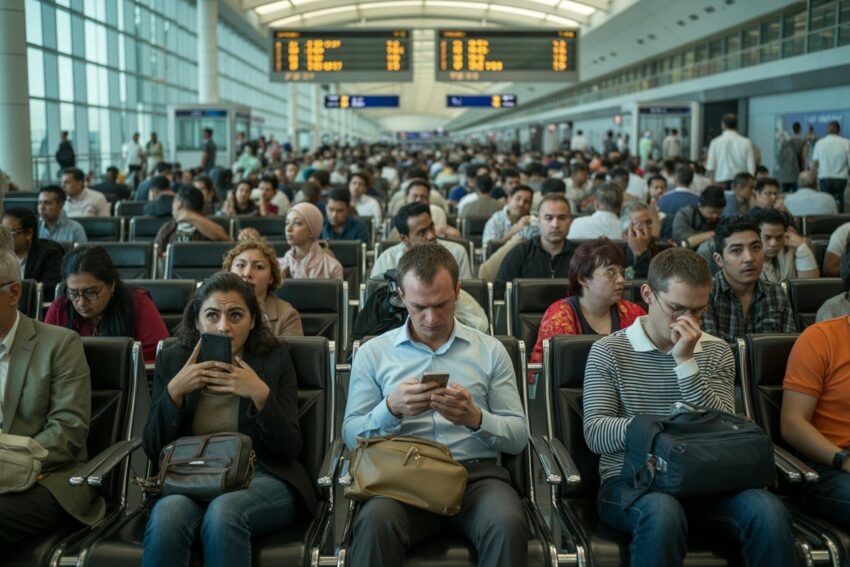
India has swiftly launched comprehensive evacuation operations, partnering with airlines such as Air India Express, IndiGo, and Etihad to repatriate stranded nationals through special flights from Muscat, Jeddah, Abu Dhabi, and other locations, amid the Iran–US conflict disrupting Middle East airspace.
Prime Minister Narendra Modi personally engaged with Saudi Crown Prince Mohammed bin Salman and Bahrain’s King Hamad bin Isa Al Khalifa, condemning the attacks and securing cooperation to ensure the safety of over 8 million members of the Indian diaspora. Indian embassies, along with state governments such as Punjab, Andhra Pradesh, and Karnataka, have activated helplines, logistical support, and real-time advisories—demonstrating our unwavering commitment to extending ‘Ease of Living’ protections to every Indian citizen, no matter where they are.
Emergency Evacuations Begin from Middle East: India Brings Back Nationals Stranded Amid Iran-US Conflict
Source: Travel and Tour World | Published: March 3, 2026
The ongoing tensions between the United States and Iran have significantly affected the safety and mobility of Indian nationals residing and traveling across the Middle East. With regional airspace closures, airlines such as Air India Express, IndiGo, and Etihad Airways have ramped up efforts to assist stranded travelers by operating special flights to India. As the conflict continues to unfold, India has mobilized evacuation plans, bringing back its citizens from affected regions.
Air India Express Resumes Flights from Muscat, Additional Services from Jeddah
Air India Express has confirmed the resumption of flights from Muscat to Indian cities starting March 3, 2026. The airline will operate flights to key destinations such as Delhi, Kochi, Kozhikode, Mangaluru, Mumbai, and Tiruchirappalli. This is part of a larger effort to ensure the safe return of Indians stranded in the Gulf countries due to the ongoing conflict. However, flights to other Gulf nations, including Bahrain, Kuwait, Qatar, and Saudi Arabia, will remain suspended until further notice.
The first flight from Muscat will depart for Tiruchirappalli at 10:25 AM local time. Passengers are advised to check the latest updates on Air India Express’s official website, ensuring their contact details are updated to receive real-time notifications about any changes to flight schedules.
IndiGo and Etihad Airways Facilitate Special Evacuation Flights
IndiGo, a major low-cost carrier in India, has announced it will operate 10 special flights from Jeddah to multiple Indian cities on March 3, 2026. The flights aim to facilitate the safe return of Indians who have been stuck in the Middle East due to the regional conflict. As the civil aviation ministry continues to monitor the airspace situation, IndiGo has coordinated with the Consulate General of India in Jeddah to assist in passenger facilitation.
In addition to IndiGo, Etihad Airways has operated four flights from Abu Dhabi, each carrying stranded Indian nationals back to India. The flights landed in Delhi, Mumbai, Kochi, and Bengaluru on Sunday evening, March 1. These flights were part of an emergency response to provide safe passage for those who were caught up in the escalating conflict between the US and Iran.
Government Response and Assistance for Stranded Nationals
Prime Minister Narendra Modi has been actively engaging with the leaders of Saudi Arabia and Bahrain to ensure the safety of Indian nationals in the region. In separate conversations with Saudi Crown Prince Mohammed bin Salman and Bahrain’s King Hamad bin Isa Al Khalifa, PM Modi condemned the recent attacks on both countries, reaffirming India’s commitment to protecting its citizens abroad. He also thanked the leaders for their cooperation in ensuring the safety of the Indian diaspora.
Meanwhile, Indian embassies in the Middle East have been in constant communication with stranded nationals. The embassy in Kuwait, for example, has been providing assistance to those affected by the airspace closures and helping facilitate emergency evacuations. The embassy has also been in touch with Indian nationals stranded in Lebanon, Syria, and other Middle Eastern nations, urging them to stay updated on travel advisories.
Evacuations Supported by States, Helplines and Authorities
In response to the escalating situation, several state governments in India have also stepped in to provide support. Punjab Chief Minister Bhagwant Mann announced a helpline for Punjabis stranded in the Middle East, especially those in the UAE. Additionally, the Chief Minister of Andhra Pradesh, N. Chandrababu Naidu, directed officials to ensure the safe return of Telugu-speaking nationals from the region. Karnataka CM Siddaramaiah also reassured Kannadigas stranded in Dubai about their safe return via a video call.
The Civil Aviation Ministry is working closely with airlines to provide necessary assistance, including accommodation and logistical support, to passengers who remain stranded due to the conflict. Emergency helplines have been set up for families to contact their loved ones stranded in the Gulf region.
Protests in India and International Diplomacy
The effects of the Iran-US conflict are being felt far beyond the Middle East, with protests erupting in various parts of India. The Shia community in Bhopal and Hyderabad has been particularly vocal in condemning the death of Iranian Supreme Leader Ayatollah Ali Khamenei, which has been widely mourned as a major loss. Demonstrators have taken to the streets, raising slogans and calling for justice. In response to these protests, authorities have increased security in sensitive areas such as Delhi, Hyderabad, and Kashmir.
As tensions rise, India has taken steps to bolster security within its own borders, ensuring the safety of both Indian nationals and foreign nationals living in India. The country is also monitoring the situation closely through its diplomatic channels, preparing to act swiftly if the situation worsens further.
Conclusion: A Global Challenge for Indian Nationals Amid Regional Tensions
The unfolding conflict between the United States and Iran has led to a complex web of challenges for Indian nationals living and travelling in the Middle East. With multiple airlines and Indian authorities working together to facilitate evacuations, it is clear that the safety of Indian citizens remains a top priority. As flight schedules continue to fluctuate and new developments unfold, travellers are urged to stay in constant touch with airlines and embassies for the latest updates.
The impact of the Iran-US war is far-reaching, with ripple effects on international travel, national security, and diplomatic relations. While the situation remains fluid, India is committed to supporting its citizens abroad, ensuring their safety and swift return home amid these uncertain times.